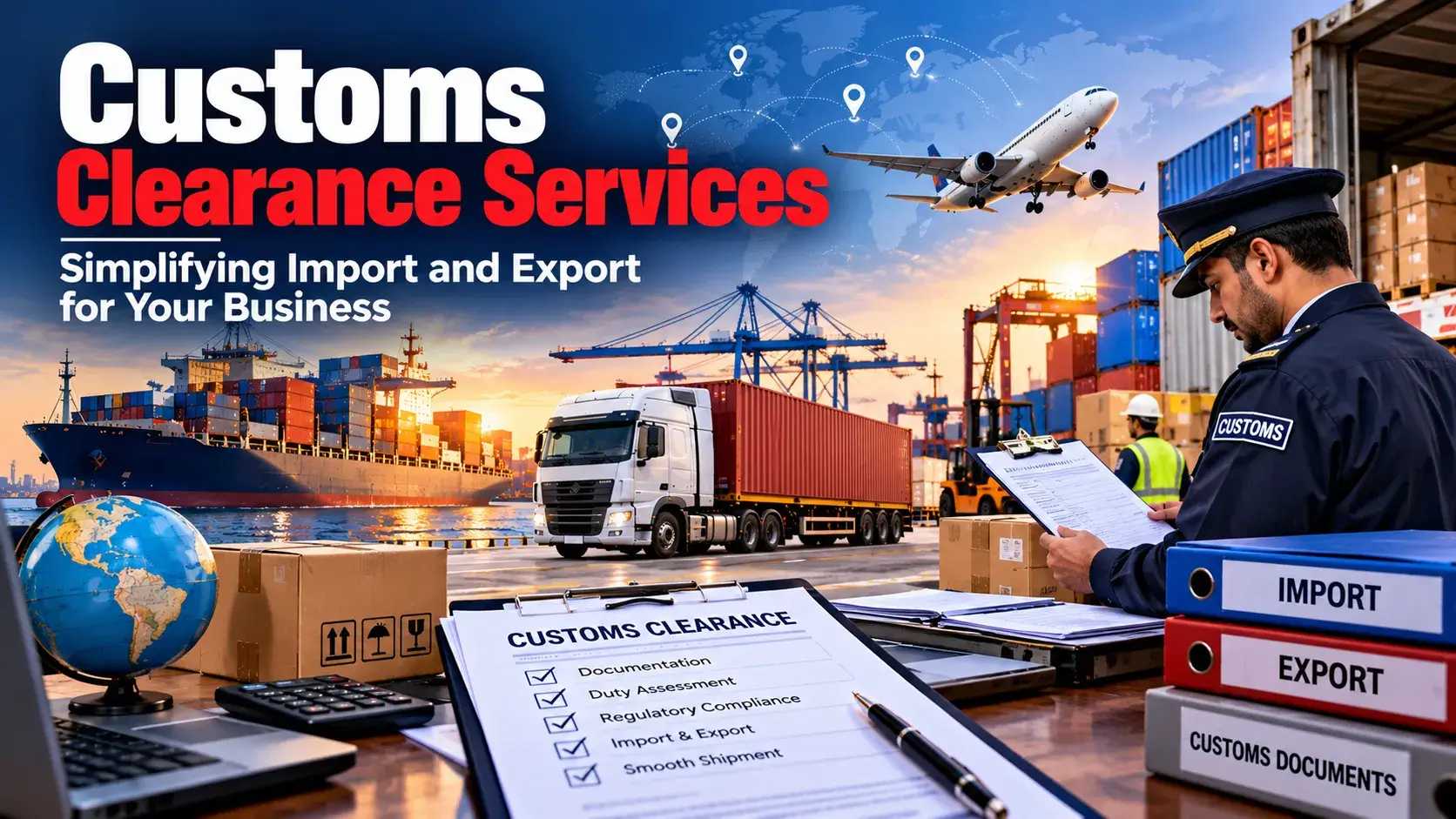
International trade plays an important role in business growth. Companies import raw materials, machinery, electronic components and finished products from different countries to meet market demand and maintain their supply chains. Similarly, exporters send products to international markets to expand their customer base and increase business opportunities. However, moving goods across international borders involves several legal requirements, documentation procedures and customs regulations.
This is where Customs Clearance Services become important. Customs clearance is an essential part of international shipping that ensures imported and exported goods meet the applicable government requirements before entering or leaving a country. Without proper documentation and compliance, shipments may face delays, additional charges or other operational difficulties.
Working with an experienced customs clearance company can help businesses manage these procedures more efficiently. From preparing shipping documents to coordinating customs inspections and completing clearance formalities, professional assistance can make international transportation easier to manage.
For businesses involved in import and export activities, understanding customs clearance procedures is important for maintaining smooth logistics operations. In this blog, we will explain how customs clearance works, the documents required, its benefits and how businesses can choose suitable customs clearance support.
What Are Customs Clearance Services?
Customs clearance services refer to the activities involved in obtaining permission from customs authorities to import or export goods across international borders. These services help ensure that shipments comply with applicable customs laws, trade regulations, documentation requirements and tax obligations.
Whenever goods enter or leave a country, customs authorities may review shipment details, inspect products, verify declared values and assess applicable duties and taxes.
The customs clearance process generally involves:
- Preparing and submitting import or export documentation.
- Declaring the correct classification and value of goods.
- Providing shipment details to customs authorities.
- Calculating and paying applicable customs duties and taxes.
- Coordinating inspections or examinations when required.
- Completing customs formalities and obtaining clearance for the shipment.
The exact requirements depend on the country, product category, shipment type and applicable trade regulations.
Businesses can work with logistics providers and customs professionals to manage these activities and reduce the possibility of documentation-related complications.
What Does a Customs Clearance Company Do?
A customs clearance company assists importers and exporters with the procedures required to move goods through customs. Its role is to help businesses manage documentation, regulatory compliance and communication with the relevant authorities.
Professional customs clearance support can be particularly useful for companies that regularly handle international shipments or deal with products requiring specific approvals.
Some common responsibilities include:
1. Import and Export Documentation
Accurate documentation is essential for international trade. A customs clearance company helps businesses prepare and organise the documents required for customs processing.
These may include commercial invoices, packing lists, bills of lading, airway bills, certificates of origin and other applicable documents.
2. Customs Duty Assessment
Imported goods may attract customs duties, taxes and other applicable charges. Customs professionals help businesses understand the relevant duty requirements based on product classification, declared value, country of origin and applicable regulations.
3. HS Code Classification
The Harmonized System (HS) code is used to classify goods for international trade. Correct classification is important because it influences customs duties, import restrictions and regulatory requirements.
Incorrect classification may result in additional scrutiny, penalties or shipment delays.
4. Customs Inspection Coordination
Certain shipments may be selected for physical examination or additional verification by customs authorities.
A customs clearance company can help coordinate the required documentation and procedures during the inspection process.
5. Regulatory Compliance Assistance
Different products may require specific licences, certificates, permits or approvals before they can be imported or exported.
Customs professionals help businesses identify applicable requirements and organise the necessary documentation.
6. Shipment Clearance Coordination
After the required customs procedures are completed, the shipment can proceed according to the applicable release process. Clearance coordination helps businesses plan the next stage of transportation and delivery.
Why Are Customs Clearance Services Important for Businesses?
Customs clearance is more than a documentation requirement. It directly affects the movement of international shipments, supply chain planning and overall transportation costs.
Here are some important reasons why businesses should pay attention to customs clearance.
1. Helps Reduce Shipment Delays
Incorrect paperwork, missing certificates or inaccurate shipment declarations can delay customs processing.
Professional customs clearance support helps businesses organise documentation and address procedural requirements before shipments reach the relevant clearance stage.
2. Supports Compliance with Trade Regulations
Import and export regulations differ across countries and product categories. Businesses must follow the applicable customs requirements to avoid compliance-related complications.
Customs clearance services help companies understand and manage these obligations.
3. Better Management of Customs Duties and Taxes
Import duties and taxes can significantly influence the overall cost of international trade.
Understanding the applicable charges in advance allows businesses to plan their budgets and calculate the expected landed cost of products more accurately.
4. Improves Supply Chain Coordination
International shipments often involve shipping lines, freight forwarders, transport operators, warehouses and customs authorities.
Efficient customs coordination helps businesses manage these activities and plan the movement of goods after clearance.
5. Reduces Documentation Errors
Even small errors in commercial invoices, product descriptions, quantities or declared values can create complications.
Professional assistance can help businesses review shipment information and maintain better documentation practices.
6. Saves Time and Operational Resources
Managing customs procedures internally can require specialised knowledge and regular monitoring of regulatory requirements.
Working with a suitable customs clearance company allows businesses to focus more on their core operations while receiving assistance with customs-related activities.
Documents Required for Customs Clearance
Documentation is one of the most important parts of the customs clearance process. The required documents depend on whether the shipment is being imported or exported, the nature of the goods and the regulations of the destination country.
Some commonly required documents include:
1. Commercial Invoice: Provides details about the products, quantity, price, seller, buyer and transaction value.
2. Packing List: Contains information about the shipment’s packaging, number of packages, weight and dimensions.
3. Bill of Lading: A transport document generally issued for sea shipments that provides details about the cargo and transportation arrangement.
4. Airway Bill: A transport document used for shipments moved through air cargo services.
5. Certificate of Origin: Identifies the country where the goods were manufactured or produced. It may be required to establish eligibility for certain trade benefits.
6. Import or Export Licence: Certain goods may require specific authorisation or licences under applicable trade regulations.
7. Insurance Certificate: May be required to establish shipment insurance details and support the declared shipment information.
8. Shipping Bill or Bill of Entry: In India, these are important customs declarations used for export and import clearance respectively.
9. Other Product-Specific Certificates: Certain products may require additional approvals, test reports or regulatory certificates depending on their category.
Providing accurate and complete documentation can help make customs processing more organised.
How Does the Customs Clearance Process Work?
Although the process may differ depending on the country and shipment category, customs clearance generally follows several important steps.
Step 1: Preparation of Shipment Documents
The importer or exporter prepares the necessary documents, including commercial invoices, packing lists and transportation documents.
Step 2: Customs Declaration
Shipment details are submitted to the relevant customs authorities through the applicable customs filing system.
The declaration generally includes information about the product description, quantity, value, classification and country of origin.
Step 3: Assessment of Customs Duties
Customs authorities assess the shipment according to applicable classification rules, valuation requirements, duties and taxes.
Step 4: Document Verification and Inspection
Customs authorities may verify the submitted documents and select shipments for examination or additional checks.
Step 5: Payment of Applicable Duties and Taxes
Where customs duties or taxes are payable, the importer or exporter must complete the required payment formalities.
Step 6: Customs Clearance and Release
Once the applicable procedures are completed and customs authorities grant release, the goods can move to the next stage of transportation or delivery.
A customs clearance company can assist businesses in coordinating these steps and managing the required paperwork.
Types of Customs Clearance Services
Businesses may require different types of customs clearance support depending on their trading activities.
1. Import Customs Clearance
Import customs clearance involves completing the formalities required to bring goods into a country.
It includes document preparation, customs declarations, duty assessment and coordination with customs authorities.
2. Export Customs Clearance
Export customs clearance involves completing the procedures required to send goods from one country to another.
It generally includes export documentation, product classification, applicable regulatory approvals and customs declarations.
3. Air Cargo Customs Clearance
Businesses transporting goods through air freight require customs processing before the shipment can be released for onward movement.
This is particularly relevant for time-sensitive shipments and high-value products.
4. Sea Cargo Customs Clearance
Sea cargo customs clearance involves completing the required procedures for goods transported through shipping containers and other sea freight arrangements.
It is commonly required by importers and exporters handling bulk cargo, industrial materials and commercial products.
5. Specialised Cargo Clearance
Certain products, including chemicals, pharmaceuticals, food items and restricted or regulated goods, may require additional approvals and documentation.
Businesses handling these products should understand the relevant regulatory requirements before arranging transportation.
How to Choose the Right Customs Clearance Company?
Selecting a suitable customs clearance partner is important for businesses involved in regular international shipping.
Here are some factors to consider before making a decision.
Industry Knowledge: Choose a service provider that understands customs procedures and the documentation requirements relevant to your products and business activities.
Import and Export Support: Check whether the company can assist with the specific type of customs clearance required for your shipments.
Documentation Management: Proper handling of invoices, declarations, certificates and transportation documents is essential.
Regulatory Awareness: Customs regulations can change, so businesses should work with professionals who monitor applicable trade requirements.
Communication and Coordination: Timely updates and clear communication can help businesses manage shipment schedules and respond to documentation requirements.
Logistics Integration: A customs clearance partner that can coordinate with transportation, freight forwarding and warehousing operations may help simplify overall supply chain management.
Common Customs Clearance Mistakes Businesses Should Avoid
Many customs-related delays occur because of incorrect declarations, incomplete paperwork or a lack of understanding of applicable regulations.
Businesses should avoid the following mistakes:
- Providing incorrect product descriptions or shipment values.
- Using inaccurate HS codes for product classification.
- Submitting incomplete commercial invoices or packing lists.
- Ignoring product-specific import or export restrictions.
- Missing mandatory licences or regulatory certificates.
- Underestimating applicable customs duties and taxes.
- Delaying responses to customs queries or inspection requirements.
- Not checking the latest regulations of the importing or exporting country.
Maintaining accurate records and reviewing documentation before shipment dispatch can help businesses reduce avoidable complications.
Why Customs Clearance Should Be Part of Your Logistics Strategy
Customs clearance and transportation are closely connected. Even when goods are transported efficiently, incomplete documentation or customs-related issues can interrupt the overall delivery process.
Businesses should therefore include customs planning as an important part of their international logistics strategy.
Proper coordination between freight forwarding, customs documentation, transportation and warehousing can help improve shipment visibility and operational planning.
At Transzoneindia, understanding the importance of organised logistics operations helps businesses recognise the value of effective coordination throughout the supply chain. Companies involved in international trade should plan their customs requirements alongside transportation arrangements to support smoother import and export operations.
Conclusion
Customs clearance is an essential part of international trade. Every imported or exported shipment must meet the applicable customs requirements before it can move across international borders.
Reliable Customs Clearance Services help businesses manage documentation, customs declarations, duty assessments and other regulatory procedures. Working with a suitable customs clearance company can also help reduce avoidable delays, improve compliance management and support better supply chain coordination.
Whether a business imports raw materials, exports finished products or manages regular international shipments, understanding customs procedures is important for efficient logistics planning.
Transzoneindia recognises the importance of coordinated logistics operations in international trade. Businesses should pay attention to customs documentation, regulatory requirements and transportation planning to maintain a more organised and reliable supply chain.