Ocean Imports: FCL and LCL Services that keep your Inventory Moving
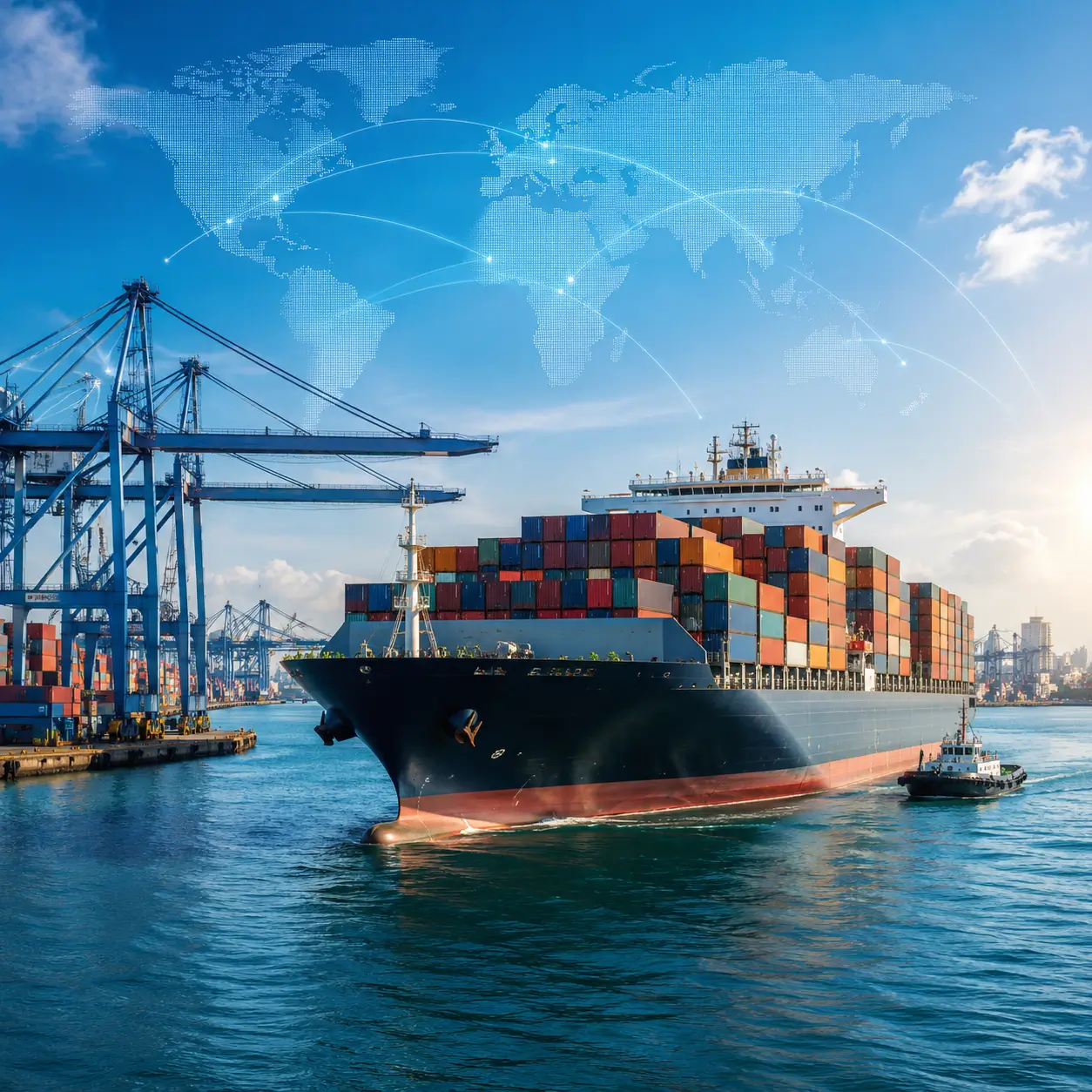
From Supplier to Warehouse — with Control at Every Stage. Whether you are importing an FCL or LCL consignment, Transzone evaluates cargo, routing, shipping-line options, documentation, customs requirements, free time and final delivery before recommending the most practical solution.
Years’ Experience
0 +
Countries Covered
0 +
Shipments Moved
0 +
Satisfied Clients
0 +
Transzone Logistics

Ocean Import Services

Ocean Import Services That Ensure Supply Chain Continuity

For importers, delayed ocean cargo can affect production schedules, inventory availability, project timelines, customer commitments and working capital. A shipment may spend weeks at sea, but the success of ocean imports is often decided before cargo is loaded at origin. Shipping line selection, container planning, sailing frequency, routing, trans-shipment risk, port congestion, documentation accuracy, customs preparedness, free time, detention and demurrage exposure all directly influence shipment reliability and total landed cost. At Transzone Logistics, our Ocean Import Services are planned around these variables before we recommend a movement plan. Whether the shipment is moving as FCL, LCL, specialised project cargo or break-bulk, our team studies the cargo requirement, timeline, cost sensitivity and delivery expectation before selecting the most suitable shipping route.

A shipping line moves your container from port to port. A good freight forwarder manages everything that has to happen before, during and after that movement. Transzone coordinates supplier communication, FCL/LCL planning, shipping-line selection, documentation, customs, port handling, cargo release, inland transportation and delivery—while keeping the importer informed when something changes.

What Importers Need from their Freight Forwarder
  • Overseas supplier coordination
  • Shipping line booking
  • Origin documentation follow-up
  • Container movement and vessel tracking
  • Arrival planning and ocean import customs clearance support
  • Port handling and final delivery across India

From raw materials and industrial machinery to automotive components, electronics, engineering goods, chemicals and project cargo, we plan the import around the cargo’s characteristics, urgency, regulatory requirements and final delivery.

Planning

What We Evaluate Before We
Recommend a Shipment Plan

The most economical ocean shipment is not necessarily the one with the lowest ocean freight. Total landed cost and cargo delivery are what matter.
What We Evaluate
Why It Matters
Cargo volume & weight
Helps determine whether FCL or LCL is commercially appropriate and how the container should be utilised.
Cargo characteristics
Determines packaging, handling, equipment and regulatory requirements.
Origin & destination
Influences sailing frequency, transit time, port selection and inland transportation.
Shipping-line options
Different carriers offer different schedules, transit times, equipment availability and free-time terms.
Routing
Direct and trans-shipment services can have very different cost and reliability implications.
Documentation
Early review helps identify potential customs or compliance issues before arrival.
Free time
Can have a significant impact on destination costs, particularly for FCL shipments.
Final delivery
Port arrival is not the same as cargo availability at your warehouse or factory.
The Transzone Ocean Import Advantage

Built for Cost Control, Cargo Availability and Shipment Visibility

01. Strategic Shipping Line & Route Planning
Successful ocean imports are planned before loading, with every shipment assessed for carrier reliability, schedule, routing, congestion, documentation, customs clearance and delivery requirements.
02. FCL & LCL Expertise
Whether importing a single LCL shipment or managing regular FCL movements, we coordinate the shipment according to its commercial and operational requirements. The right answer is not always FCL or LCL — it is the solution that makes commercial sense.
03. Container Planning & Equipment Selection
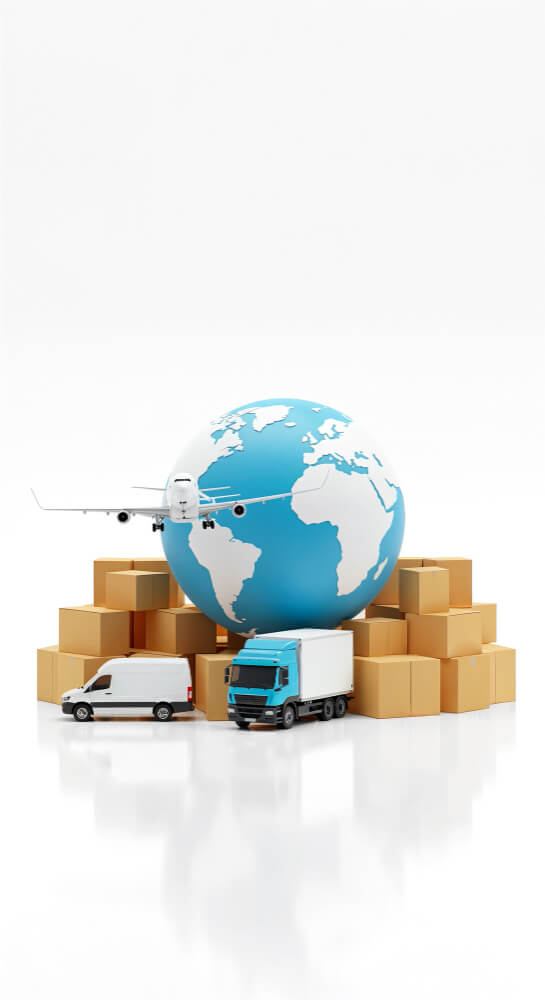
The right container is part of the freight solution. Transzone supports container import services for 20 ft, 40 ft, high cube, open top, flat rack and other containerised cargo requirements.
04. Documentation Readiness
Ocean import delays often start with documentation gaps. We review consignee and shipper documents in advance so discrepancies can be identified and handled before cargo arrives.
05. Customs & Port Coordination
Ocean import customs clearance requires strong preparation. Our team coordinates documentation, customs requirements, examination support and release follow-up through Indian ports.
06. Cost Control Beyond Freight
Ocean freight is only one part of the import cost. We look at origin charges, destination charges, CFS/handling, customs costs, port charges, storage, demurrage, detention and inland transportation.
07. Detention & Demurrage Risk Control
Our team monitors milestones and coordinates documentation, release and delivery planning to reduce avoidable exposure to destination costs.
08. Global Ocean Imports — China and Beyond
We coordinate FCL and LCL imports from China, USA, Canada, Mexico, Europe, Southeast Asia and other origins with one dedicated Transzone team managing movement into India.
09. Proactive Problem Solving
When an exception occurs (blank sailing, port congestion, trans-shipment delays etc.), we immediately workout remedial measures spanning revised routing & sailing options, document correction, and more.
10. Cost Control
We work to minimize every element of your cost: Ocean Freight, Origin & Destination Charges, Customs clearance, Port/Terminal Charges, Storage, Delivery Transportation and more. This is why we look at the total logistics equation rather than simply quoting the lowest freight rate.
Equipment Planning

Container Planning & Equipment Selection

The cheapest container is not necessarily the most economical container. Incorrect equipment can lead to poor utilisation, loading problems, additional handling and unnecessary cost.
Container Type
Typical Application
20′ Dry
Dense or heavier cargo where weight is the primary constraint.
40′ Dry
Higher-volume general cargo.
40′ High Cube
Voluminous cargo requiring additional internal height.
Open Top
Cargo requiring top loading or additional loading flexibility.
Flat Rack
Oversized or out-of-gauge cargo requiring specialised equipment.
Global Trade Lanes

Global Ocean Imports — China and Beyond

China is an important sourcing market for Indian businesses, but Transzone’s ocean import capability extends across major global trade lanes.

Whether your supplier is in Shenzhen, Shanghai, Hamburg, Milan, Houston, Manchester or Singapore, you have one Transzone team coordinating the movement into India.

Origins We Coordinate From

China | USA | Canada | Mexico | UK | France | Germany | Italy | Spain | Netherlands | Belgium | Singapore | Malaysia | Vietnam | Thailand | Japan | South Korea |195 Countries…968 Cities & Ports.

The underlying requirement remains the same: reliable origin coordination, appropriate routing, documentation readiness, customs coordination and controlled destination delivery.

Global Reach. Local Expertise.

Connecting businesses across 196 countries and 964 cities & ports.

Global Trade Lanes

Global Ocean Imports China and Beyond

China remains one of the most important sourcing markets for Indian businesses, but Transzone’s ocean import capability extends far beyond one trade lane. From Shenzhen and Shanghai to Hamburg, Milan, Houston, Manchester and Singapore one Transzone team coordinates the movement into India with route planning, documentation readiness, customs coordination and destination-side control.

Origins We Coordinate From

China - Shenzhen, Shanghai and key sourcing hubs

North America - USA, Canada and Mexico

UK & Europe - UK, France, Germany, Italy, Spain, Netherlands and Belgium

Asia-Pacific - Singapore, Malaysia, Vietnam, Thailand, Japan and South Korea

Global Network - 196 countries. 964 cities and ports.

Risk Control

Ocean Imports: What Can Go Wrong and How We Help Control It

Common Import Risk
Transzone Approach
Missed sailing
Advance cargo-readiness and booking coordination.
Container shortage
Early equipment and booking planning.
Trans-shipment delay
Route evaluation and shipment monitoring.
Documentation discrepancy
Pre-arrival document review.
Customs delay
Clearance readiness and follow-up.
Port congestion
ETA monitoring and delivery planning.
Demurrage exposure
Free-time and cargo-release planning.
Detention exposure
Timely transport and container-return coordination.
Delivery delay
Inland transport planning before cargo release.
Shipment Journey

From Supplier Coordination
to Final Delivery

A structured import process improves visibility, reduces avoidable delays and keeps operational control in the hands of the importer.

01

Supplier Coordination

02

Documentation Review

03

LCL/FCL Planning

04

Shipping Line Booking

05

Cargo Handover

06

Vessel Departure

07

Transit Monitoring

08

Indian Port Arrival

09

Import Customs Clearance

10

Cargo Release

11

Final Delivery

12

Warehouse / Factory

FAQs

Ocean Import Services: What Every Importer Should Know

How do I decide between LCL shipping and FCL shipping?
LCL shipping is usually suitable when shipment volume is smaller and does not require a full container. FCL shipping is preferred when cargo volume is higher, handling control is important or dedicated container movement is needed. For effective Ocean Import Services, the decision should also consider cargo value, urgency, handling sensitivity, destination, cost structure and delivery timeline.
Is the lowest ocean freight quote always the best option?
Not always. A lower ocean freight rate may involve longer transit time, multiple trans-shipment points, less dependable sailing schedules, limited free days or weaker shipment visibility. Transzone’s sea freight forwarding approach evaluates total logistics cost, not just the freight invoice.
What factors affect ocean import costs?
Ocean import costs depend on shipment volume, container type, cargo weight, origin port, destination port, shipping line, sailing schedule, route, terminal charges, documentation, customs clearance, free days, detention, demurrage and inland delivery requirements.
How can I reduce detention and demurrage charges?
Detention and demurrage can often be reduced through better documentation readiness, timely customs clearance, proper free-day planning, faster cargo release and coordinated container return.
Why do ocean import shipments get delayed even after vessel arrival?
Cargo may be delayed after vessel arrival due to customs queries, document discrepancies, port congestion, examination requests, delivery order delays, payment issues, transport planning gaps or incomplete clearance documents.
Can Transzone handle both LCL and FCL ocean imports?
Yes. Transzone manages both LCL shipping and FCL shipping based on shipment size, cargo nature, cost priority and delivery expectation. Our team helps importers decide whether shared-container movement, full-container movement or consolidation is more suitable.
What documents are generally required for ocean import clearance?
Common documents include commercial invoice, packing list, bill of lading, certificate of origin where applicable, insurance documents, import licence if required and product-specific certificates depending on cargo type. For sea imports from China, our team also reviews supplier-side documents carefully.
Why should I use a freight forwarder for ocean imports?
A shipping line mainly moves cargo from port to port. An ocean import freight forwarder manages supplier coordination, LCL shipping, FCL shipping, shipping line selection, documentation review, customs coordination, port handling, issue resolution and final delivery.
How can I track my ocean import shipment?
Our operations team provides milestone updates across cargo handover, vessel departure, transit status, trans-shipment movement, arrival at Indian port, customs clearance, cargo release and final delivery.
Request A Quote

Ready to Make Your Ocean Imports More Predictable?

Whether you are importing a single LCL consignment, regular FCL shipments or cargo from multiple global suppliers, Transzone Logistics can help you evaluate the right mode, routing, shipping line and delivery plan for your business.
What You Can Ask For
Our services
Contact Us
About us

We are a trusted logistics and cargo solutions provider committed to delivering your goods safely, efficiently, and on time. With years of experience in freight forwarding, warehousing, and international shipping.